Patients and families on Verizon:a network issue may block calls to our main number. Please call us temporarily at call us at (805) 693-7001.
We've moved!Our Boulder office is now at 6260 Lookout Rd, Suite 120, Boulder, CO 80301.Boulder is now at 6260 Lookout Rd, Suite 120.Littleton is unchanged.
Children have milestones that most meet during certain ages. Commonly observed areas are motor, speech/language, adaptive, and social/emotional. It can sometimes be difficult to determine if your child is appropriately meeting these developmental milestones.
January is National Winter Sports Traumatic Brain Injury (TBI) Awareness Month, a timely reminder to think about brain safety while enjoying the slopes, trails, and ice. Winter sports like skiing, snowboarding, ice skating, hockey, and others offer physical and mental health benefits, but they also carry a risk of concussion.
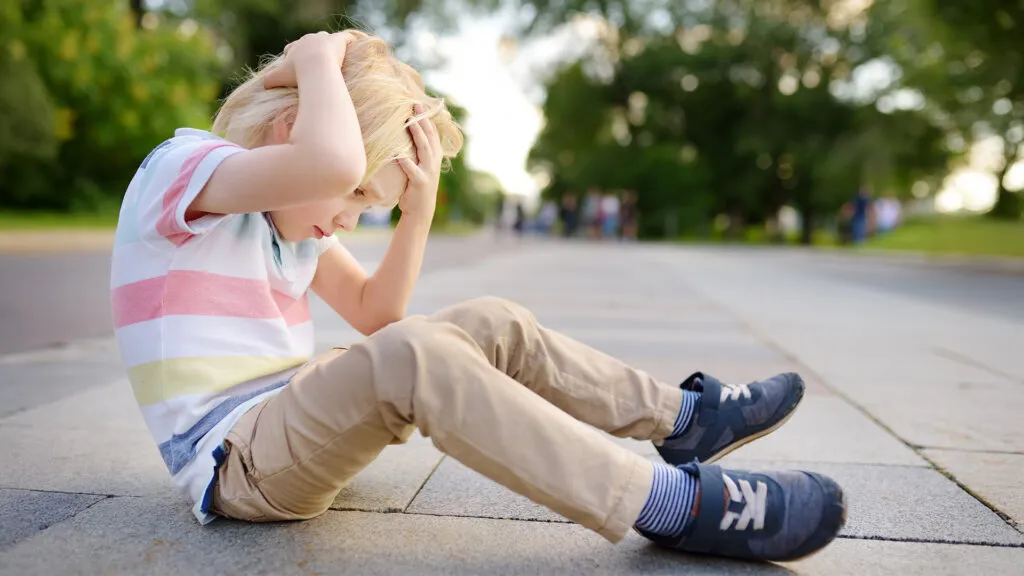
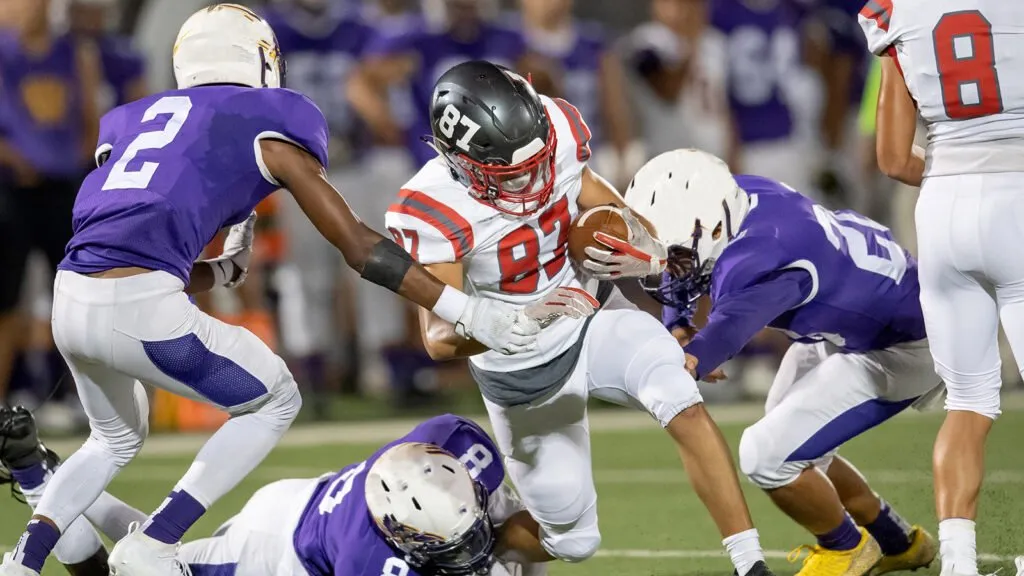
Concussions are common injuries in children and adolescents. Whether it’s from sports, playground accidents, or everyday slips and falls, kids are at risk for a concussion just about anywhere they go!
Screens are everywhere in our modern lives, on our phones, computers, televisions, and even on our wrists. We rely on them for work, study, social connection, and entertainment. So, when a concussion occurs, it’s natural to wonder: is it safe to use screens, and if so, how much is too much?
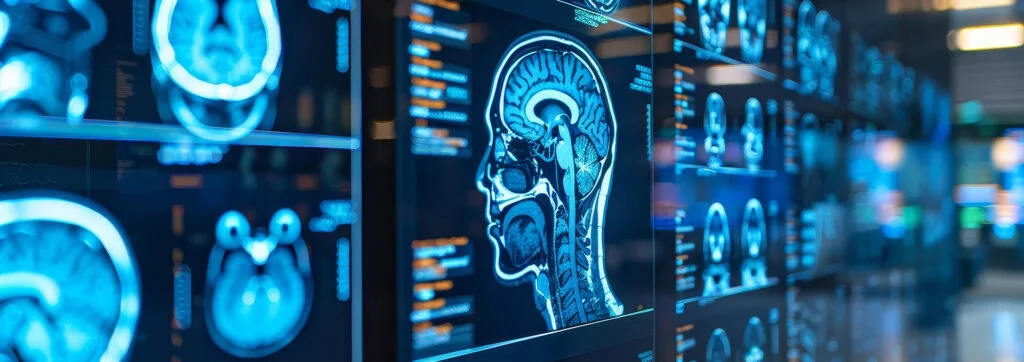
When you hear the word “concussion,” you might think of a hard hit to the head or someone briefly losing consciousness. But what actually happens inside the brain during this kind of injury?
At Horizon Neuropsychological Services, we believe concussion care should start before an injury happens. That’s where baseline testing comes in. It provides us with a clear picture of how an athlete’s brain functions when they’re healthy, so if they ever sustain a concussion, we have something to compare it to.
For years, myths have circulated in homes, locker rooms, and even some medical settings regarding sleep after a concussion. Common beliefs include the necessity of waking the individual every few hours during the night or the notion that sleeping after a concussion is dangerous as the person may not wake up.
Imagine your brain as the control center of a busy city. When a concussion occurs, it’s like a sudden power outage that disrupts the entire system. Just as a city needs essential resources to restore its functions, your brain requires specific nutrients to heal and recover.
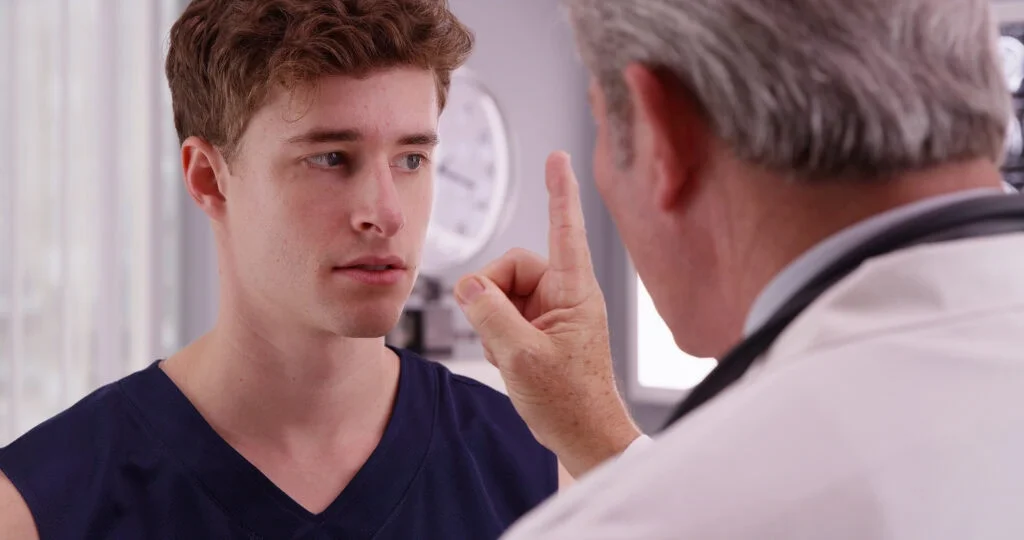
The road to specialized care after concussion can be confusing and challenging. Many people face barriers that delay or prevent them from receiving the necessary treatment.
Concussions are a common injury in the general population, and neuropsychologists have led clinical efforts to better understand this injury in both children and adults.