


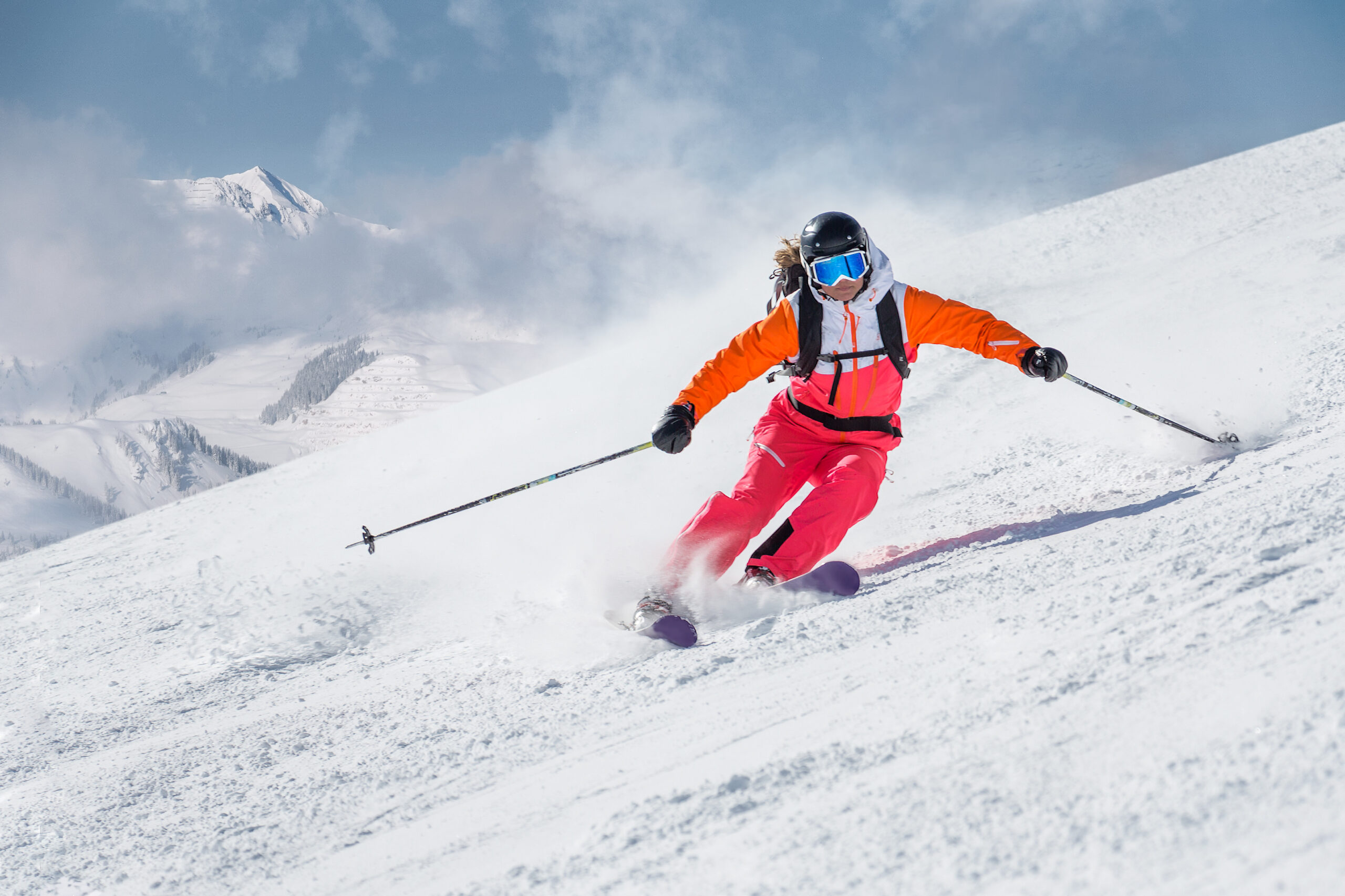
Winter Sports and Concussion: Protecting Your Brain This Season
January is National Winter Sports Traumatic Brain Injury (TBI) Awareness Month, a timely reminder to think about brain safety while enjoying the slopes, trails, and ice. Winter sports like skiing, snowboarding, ice skating, hockey, and others offer physical and mental health benefits, but they also carry a risk of concussion.
How Common Are Concussions in Winter Sports?
Traumatic brain injuries are common serious injuries associated with winter sports. Research suggests that up to 47% of injuries sustained during skiing or snowboarding involve a TBI, most often a concussion.
Falls are the most common mechanism of injury, though collisions with trees, fixed objects, or other people also frequently occur. Notably, concussions can occur even without loss of consciousness or without a direct hit to the head, making them easy to overlook.
Why Helmets Matter
Wearing a helmet is one of the most effective ways to reduce the risk of head injury. Studies show that helmets can significantly reduce the risk of head injury in skiing and snowboarding. While helmets cannot prevent all concussions, they significantly lower the risk of more severe brain injuries such as skull fractures or intracranial bleeding.
To be effective, helmets should be:
- Certified for the appropriate sport/ activity
- Properly fitted (snug, level, and secured)
- Replaced after any significant impact or visible damage
Other Ways to Reduce Concussion Risk
Beyond helmets, simple habits can help reduce the risk of concussion:
- Stay hydrated: Dehydration can worsen fatigue, dizziness, and reaction time (especially at altitude).
- Know your limits: Fatigue increases fall risk, particularly late in the day.
- Follow slope rules: Stay in bounds, obey posted signage, and remain aware of others around you.
- Watch conditions: Icy or low-visibility conditions raise injury risk.
Recognizing a Concussion
Common concussion symptoms include headache, dizziness, nausea, brain fog, sensitivity to light or noise, and difficulty concentrating. Symptoms may appear immediately or hours later. If a concussion is suspected, it’s important to stop activity and seek medical evaluation. Returning to play too soon increases the risk of a second injury and/ or a prolonged recovery.
Care That Travels With You
Because concussions often happen away from home, Horizon Neuropsychological Services offers virtual visits to improve access to care for people who are traveling, skiing in the mountains, or on the road for ice hockey games or skating competitions, helping ensure timely evaluation and guidance no matter where injuries occur. Contact us at 720-242-7533 to make an appointment with our Concussion Clinic.
Enjoy Winter! (Safely)
Winter sports are a cherished part of Colorado life. With the right precautions, you can protect your brain while still enjoying everything the season has to offer. Awareness, preparation, and early recognition go a long way in keeping winter fun and safe.